
Hi everyone! This is LEON from Denei. At Denei, we experience traditional culture firsthand and share the things we love. We visit local artisans, producers, and the people keeping these ancient heritages alive.
This time, we visited Ayabe City in Kyoto Prefecture. Our goal was to harvest wisteria fiber—the raw material for “Fuji-ori” (wisteria weaving), known as one of the oldest textile traditions in Japan! I’m excited to share this beautiful day with you.
Heading Out to the Mountains from HOSOO’s Ancient Dyeing Research Institute
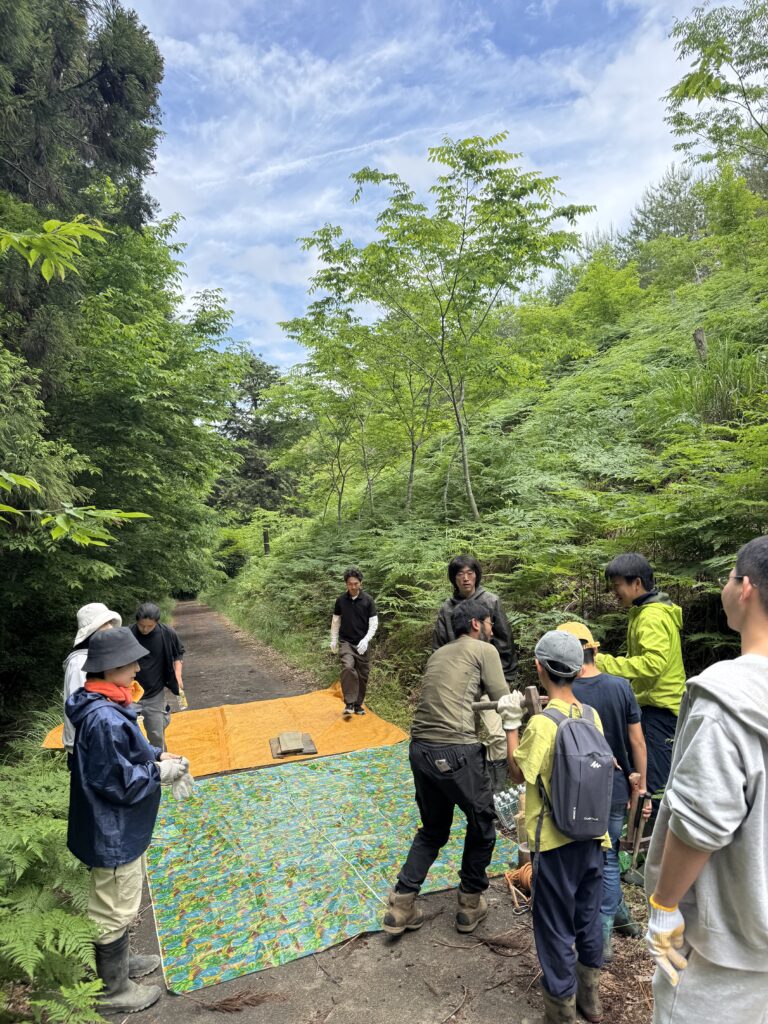
Our day began at HOSOO’s Ancient Dyeing Research Institute in Ayabe, Kyoto. After a quick tour of the facility led by one of the members, Takamatsu-san, we hopped in the car and headed into the mountains where wild wisteria grows.
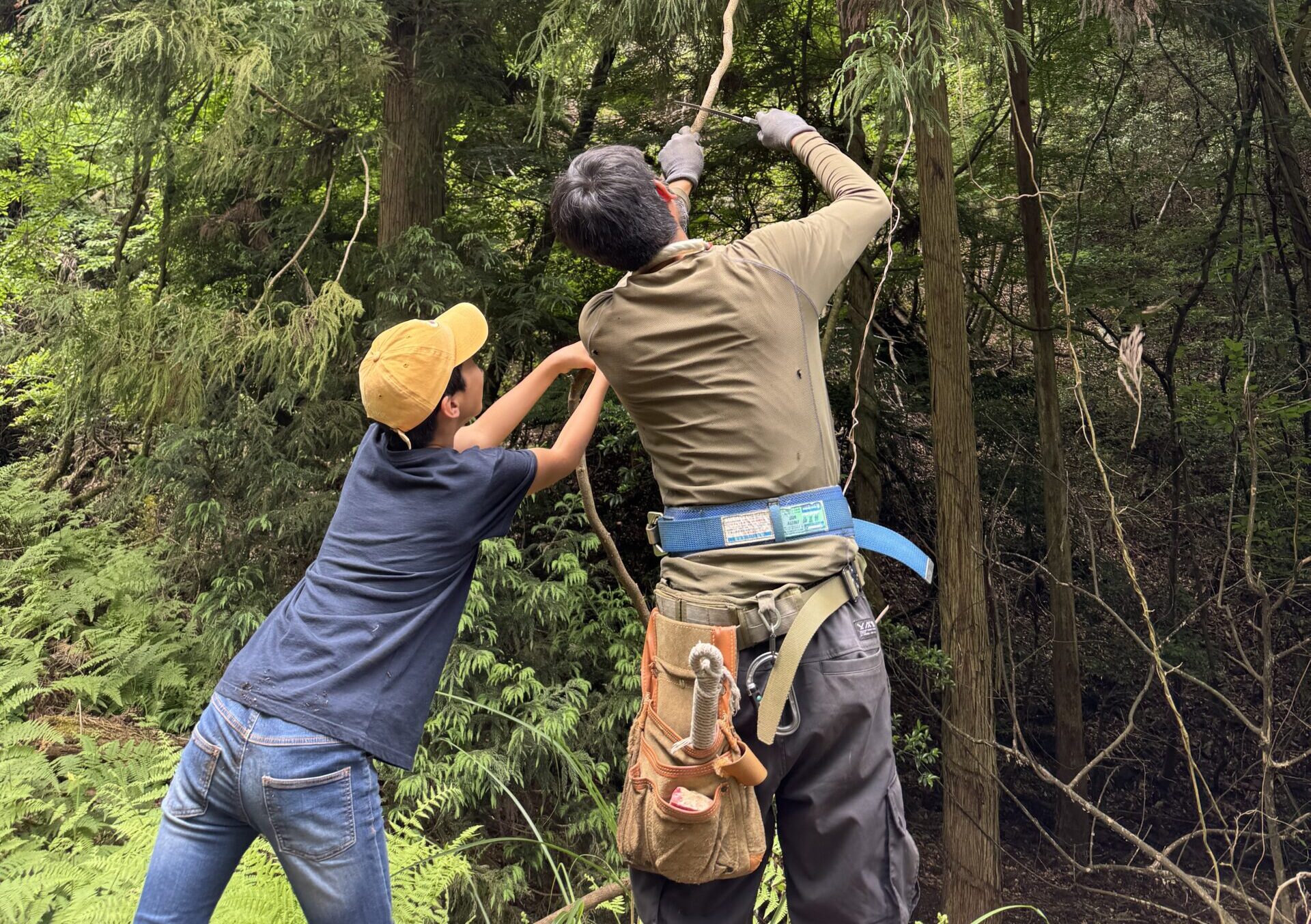
When we arrived, we were welcomed by the mountain’s caretaker, and his two amazing kids!
These two kids actually showed us how to harvest the wisteria vines! Watching their small hands handle the tools so skillfully was impressive. I felt that they live in perfect harmony with nature every day.
“Who Invented This?!” The Mind-Boggling Process of Making Wisteria Fiber
Extracting fiber from a wisteria vine turned out to be a serious, full-body workout! Here is how this traditional, sustainable process works:
- Harvesting the vines: Forage for wisteria vines that grow as straight as possible.
- Beating with a hammer: Beat the vines with a hammer until the outer bark starts peeling away.
- Scraping: Flatten the peeled bark and carefully scrape the surface with a blade to reveal the clean fibers inside.
- Drying: Hang the finished wisteria fibers on a clothesline.
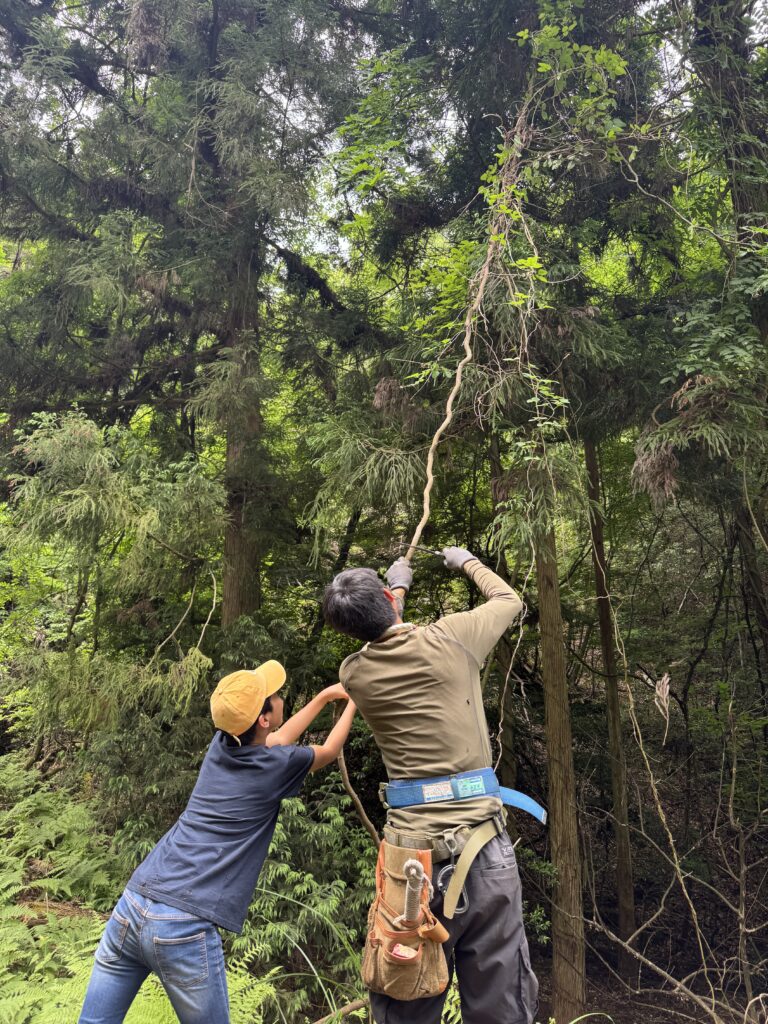
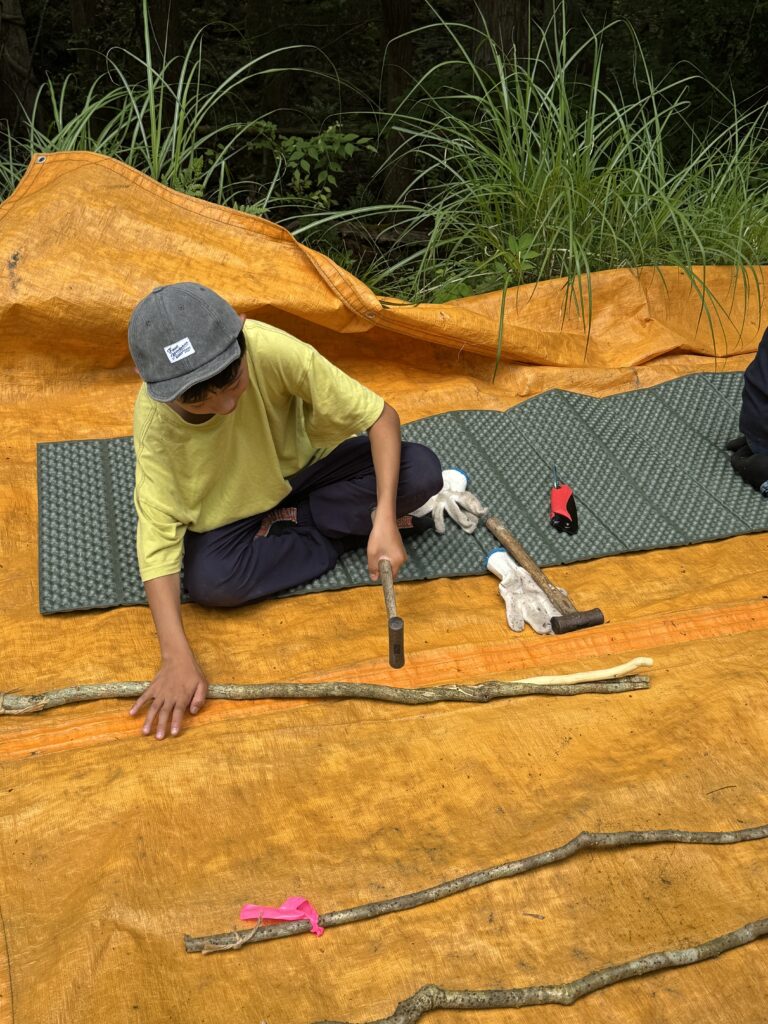
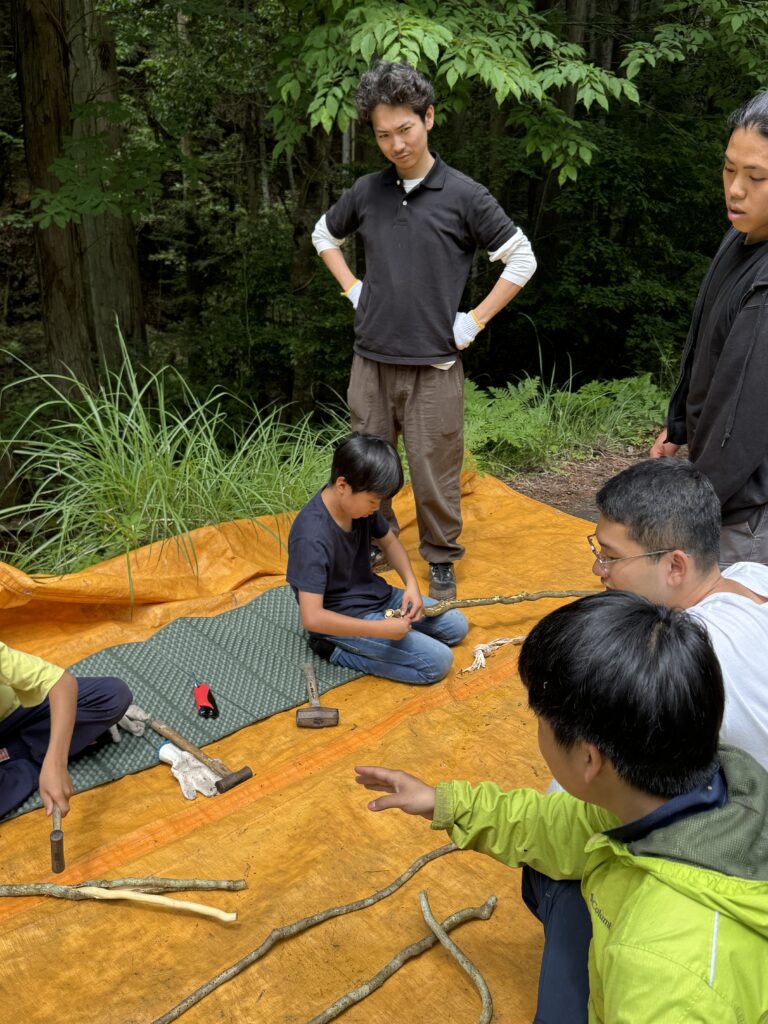
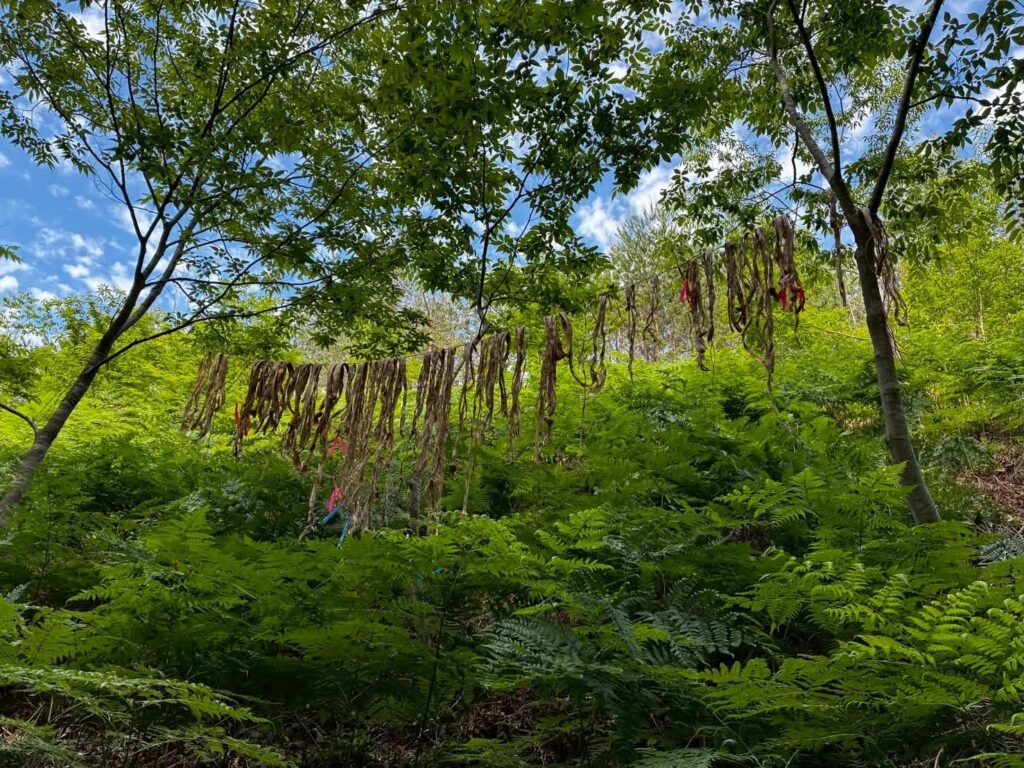
Honestly, it was incredibly hard work! I kept wondering—who on earth figured out this exact method 1,300 years ago?
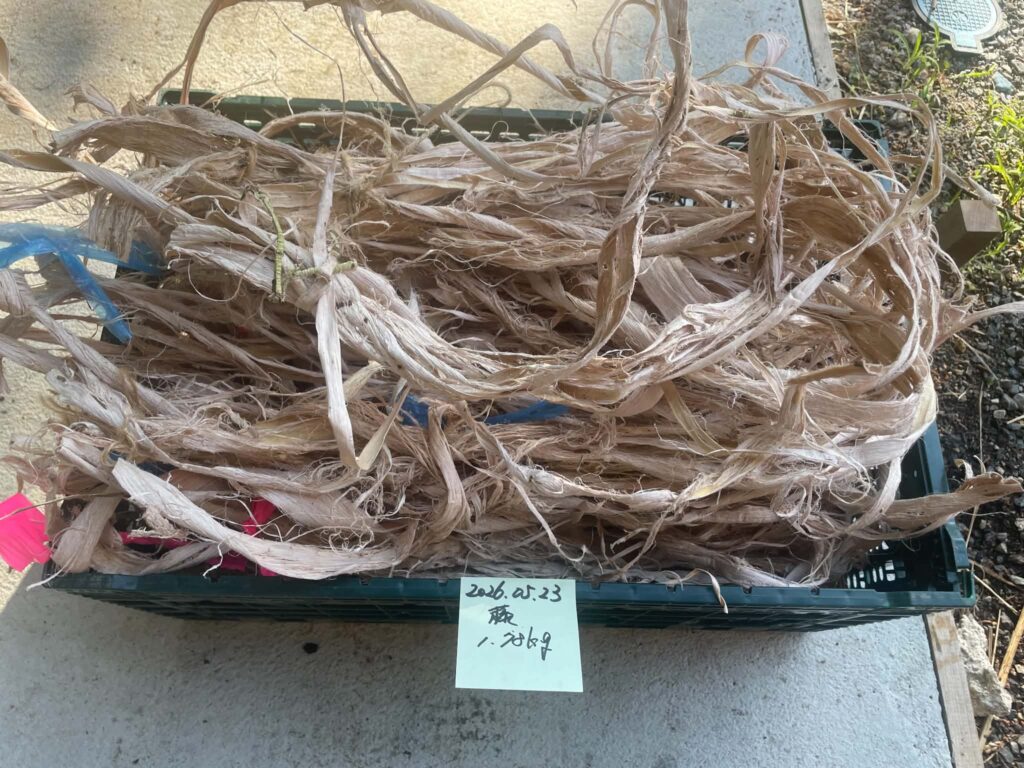
By the end of the day, we managed to harvest 1.78 kg of wisteria fiber. It looks like a lot in the basket, but we learned that this amount is only enough to make about half a tan (a traditional unit for a roll of fabric)—which is only enough for half of a single kimono sash (obi)! Experiencing this firsthand made me truly realize the immense value and rarity of traditional Fuji-ori products.
A Perfect Lunch in the Mountains & Warm Hospitality
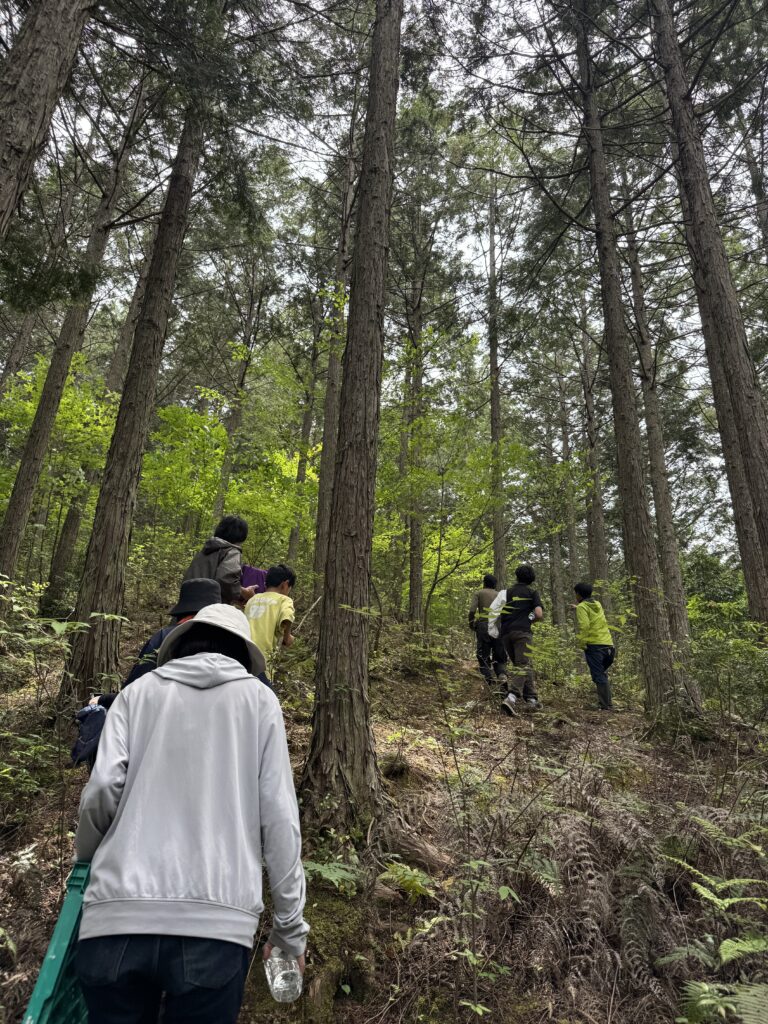
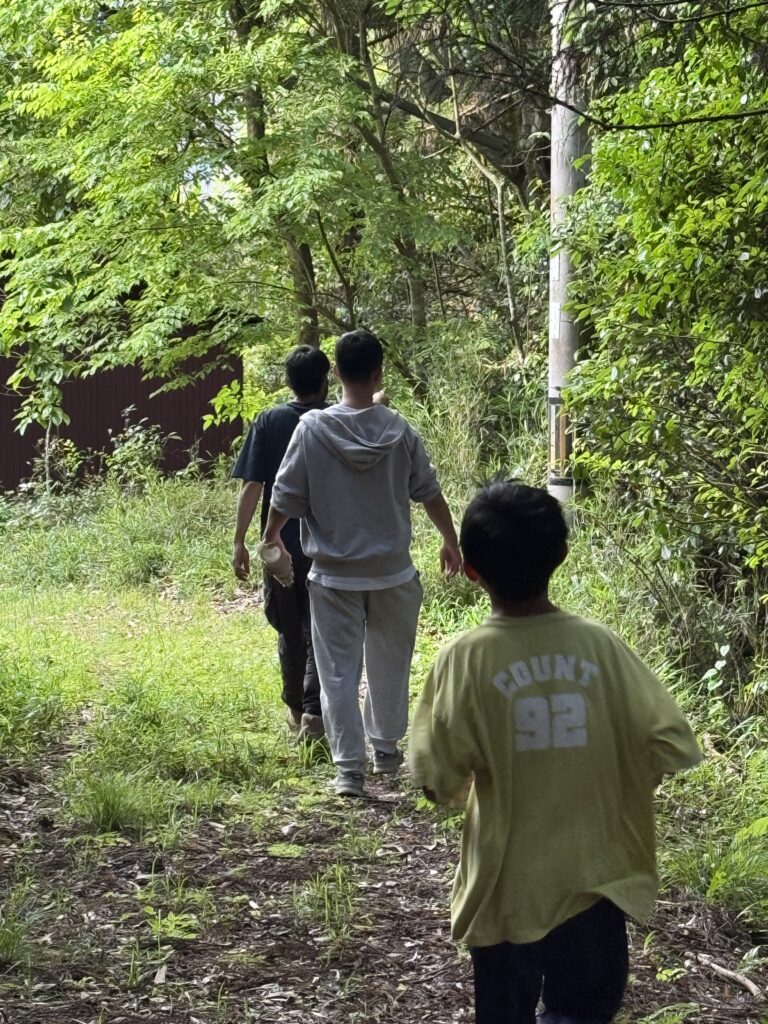
For lunch, we hiked up the mountain for about 10 minutes. The air was so fresh, and eating in the middle of the forest felt amazing!
Our host kindly prepared a delicious German-style lunch for us with potatoes, sausages, and sandwiches. It tasted amazing after all that hard work. Thank you so much for the meal!
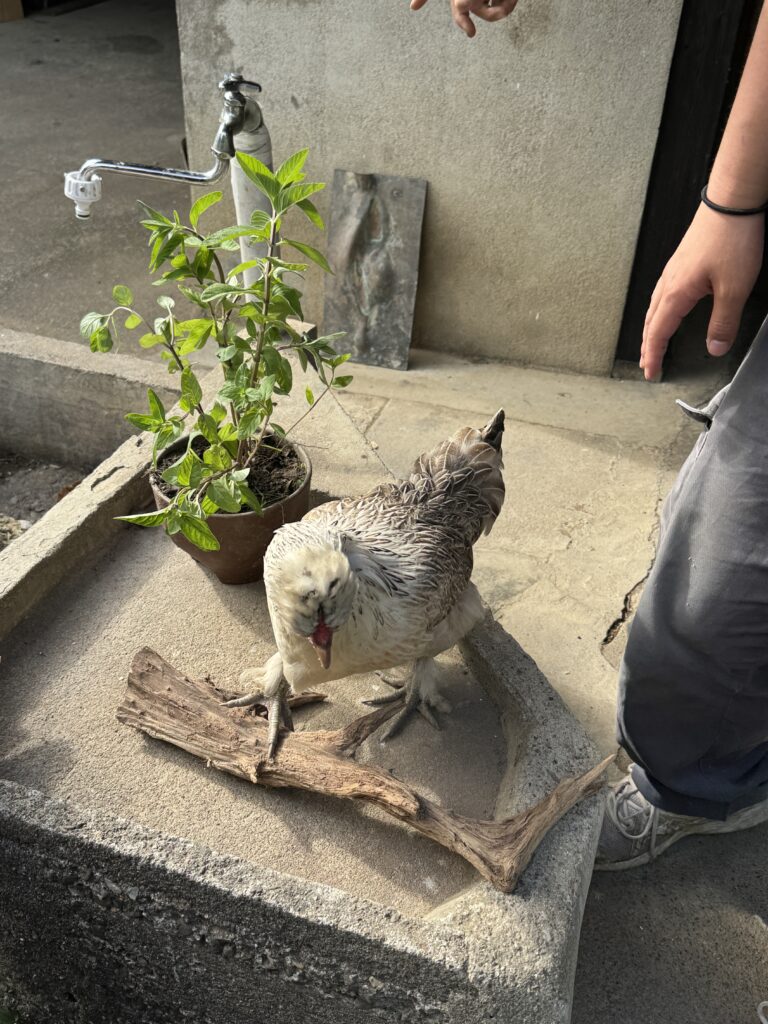
After lunch, we worked non-stop until 3:00 PM to finish the harvest. We thought it was time to head back to Kyoto City, but we received a heartwarming invitation to visit his home! A friendly chicken even came out to welcome us!
Connecting with 1,300 Years of Heritage
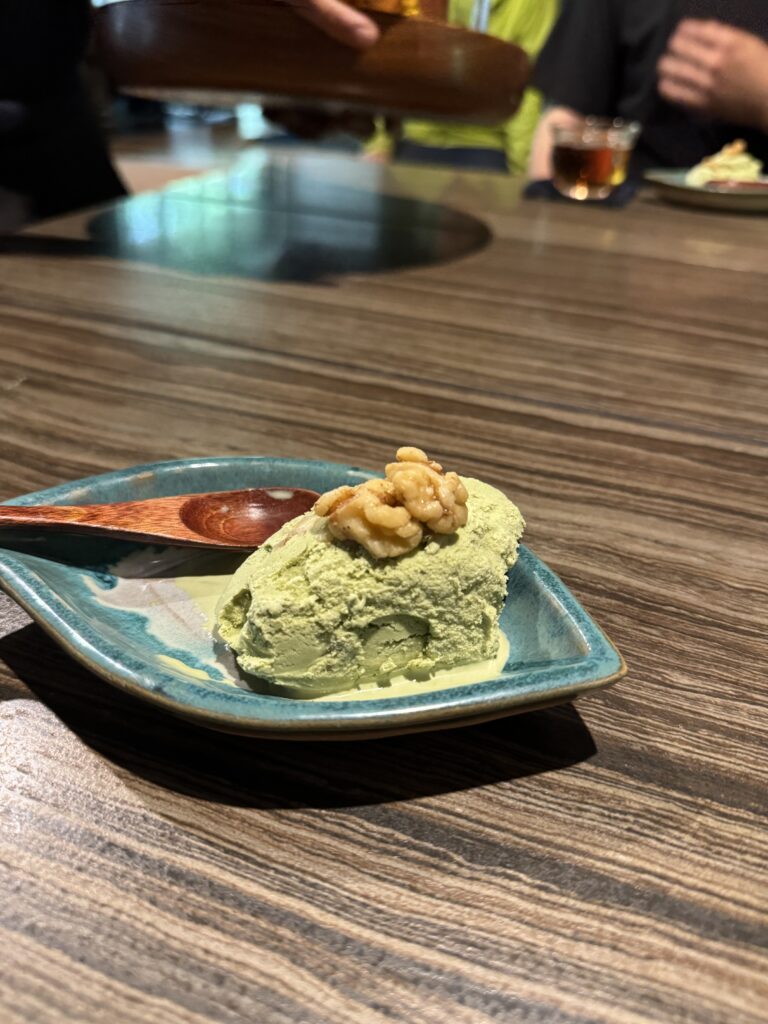
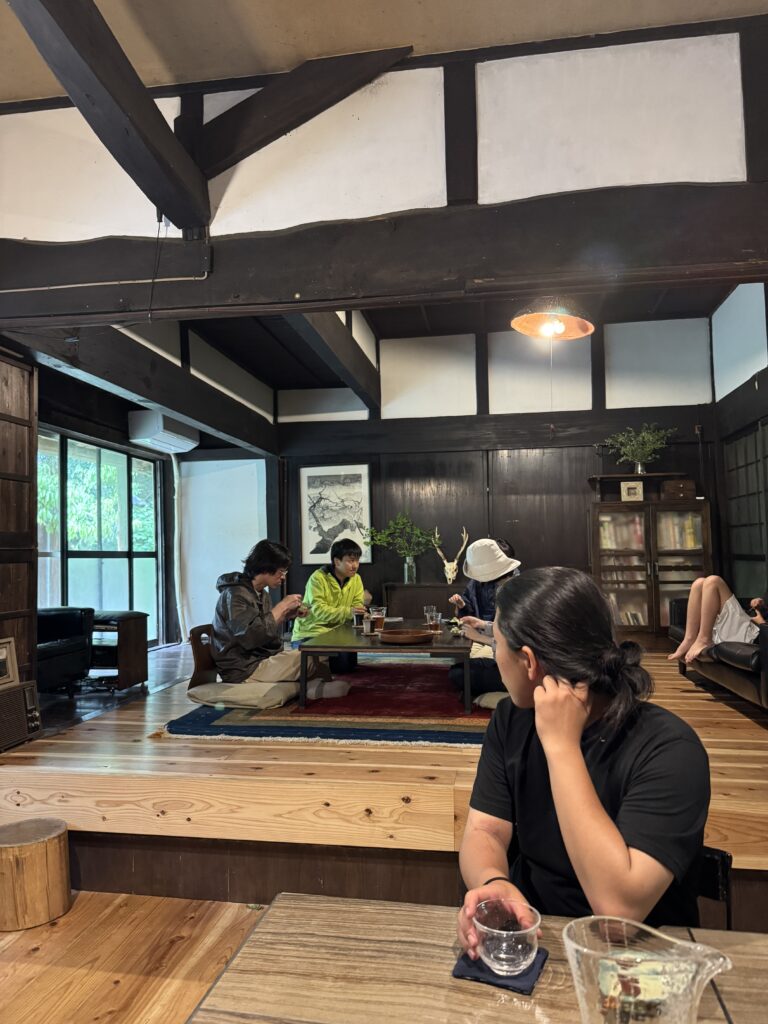
When we arrived at the house, his wife treated us to some incredible homemade ice cream! It was out-of-this-world delicious. Pairing it with a perfectly brewed cup of cold Japanese tea completely revived my tired body.
As if that wasn’t generous enough, they even let us harvest some fresh “Hachiku” (a delicious type of bamboo shoot) growing right on their property! Look at the size of this thing!
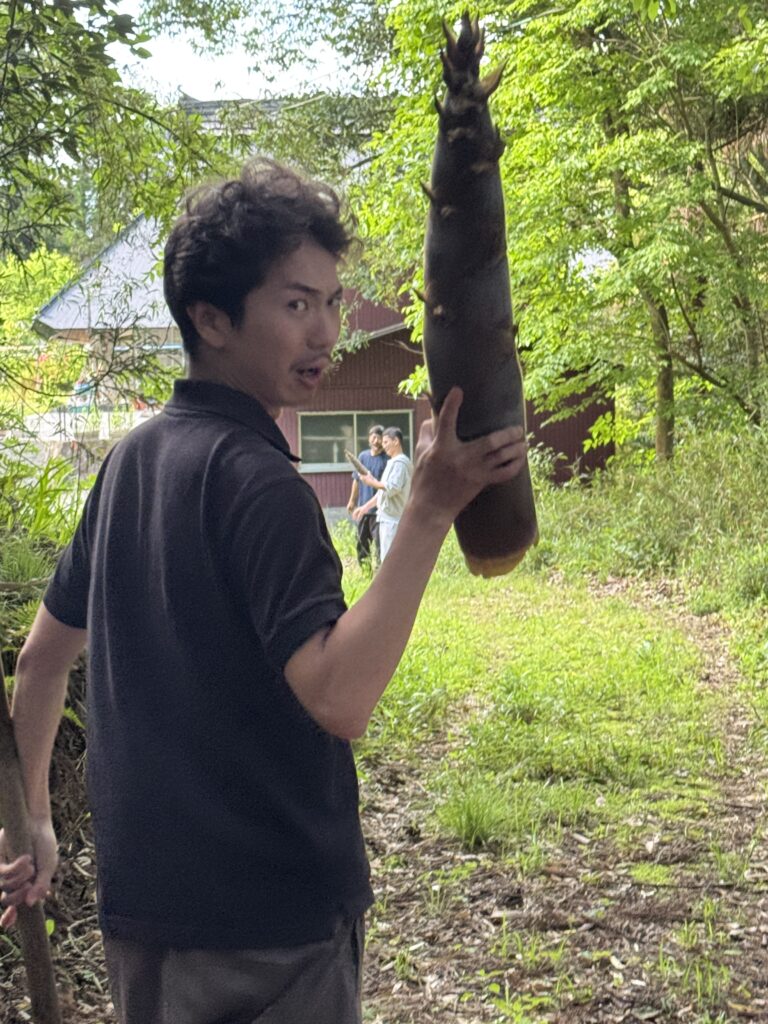
Getting to experience the exact same “connection with nature” that people discovered 1,300 years ago left me filled with nothing but pure gratitude. I was exhausted by the end of the day (haha), but thanks to their amazing hospitality and that ice cream, I’m totally re-energized 😌
I can’t wait to bring this fresh inspiration and energy into our upcoming cultural experiences at Denei!
