
※Japanese Follows(英文の後に日本語訳が続きます)
Hello, this is Denei.
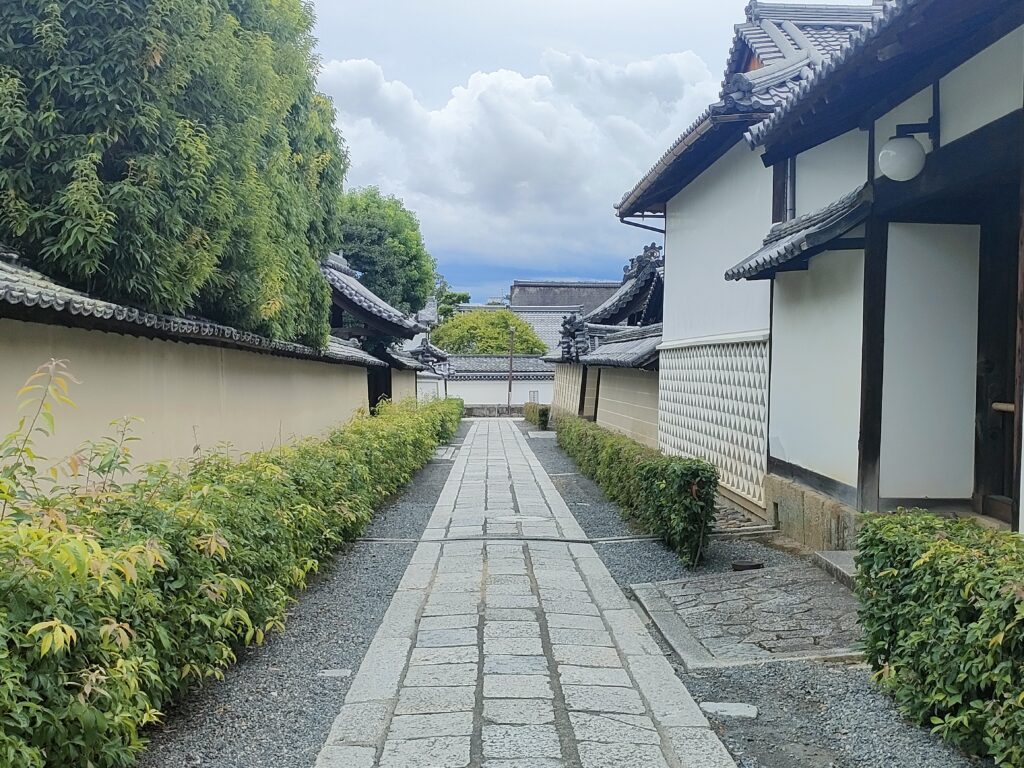
Myoshinji, the setting for our Zazen (Zen meditation) tours, is the largest Zen temple complex in Japan. With 46 sub-temples (called tatchu) sprawling across its vast grounds, it feels less like a single temple and more like a peaceful, historic village.
It would be a missed opportunity to leave immediately after your meditation session! Here are a few must-visit spots to explore while your mind is still clear and centered.
こんにちは、伝永(Denei)です。
私たちの坐禅ツアーの舞台である「妙心寺」は、日本最大級の禅寺。広大な境内には46もの塔頭(たっちゅう/山内にある個別の寺院)や学校などが立ち並び、まるで一つの町のような独特の空気が流れています。
坐禅で心身を整えたあとは、そのまま帰ってしまうのはもったいない!今回は、ツアーの後にぜひ立ち寄っていただきたい、妙心寺の深掘りスポットをご紹介します。
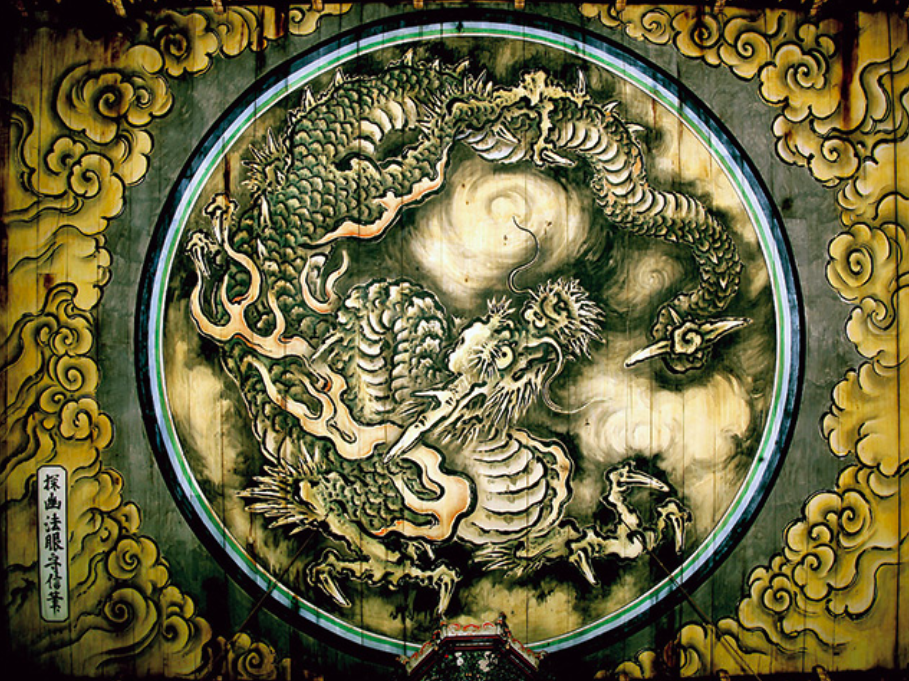
The “Dragon Glaring in Eight Directions” at the Hattou Hall
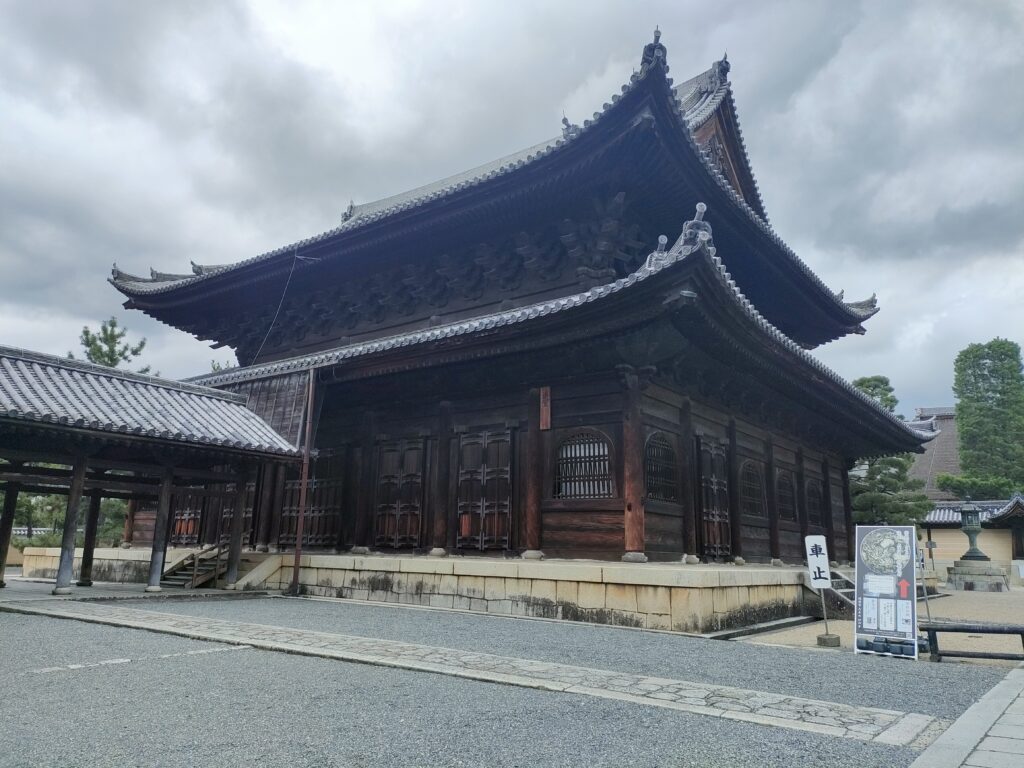
Your first stop should be the Hattou (Dharma Hall), a designated Important Cultural Property.
As you look up at the ceiling, you are met with the overwhelming Unryu-zu (Cloud Dragon), painted by the legendary artist Kano Tan’yu. Known as the “Dragon Glaring in Eight Directions,” this masterpiece is designed so that the dragon’s eyes seem to follow you no matter where you stand. The sheer scale and power of the artwork are enough to take your breath away.
Inside the same hall, you can also see the Oshiki-cho Bell, a National Treasure and the oldest bell in Japan. Its beautiful tone was even praised in the classic literary work The Harvest of Leisure (Tsurezuregusa).
<どこから見ても目が合う?法堂の「雲龍図」>
まず訪れていただきたいのが、重要文化財に指定されている法堂(はっとう)です。
見上げると目に飛び込んでくるのは、天才絵師・狩野探幽が8年の歳月をかけて描き上げた巨龍。通称「八方にらみの龍」と呼ばれ、どこから見ても龍と目が合う不思議な仕掛けになっています。その圧倒的な迫力には、思わず呼吸を忘れてしまうほどです。
同じ法堂内には、日本最古の国宝の梵鐘「黄鐘調(おうじきちょう)の鐘」も安置されています。かつては徒然草にもその音色の美しさが記された名鐘を、間近で感じてみてください。
A Treasure Trove of Gardens: Taizo-in
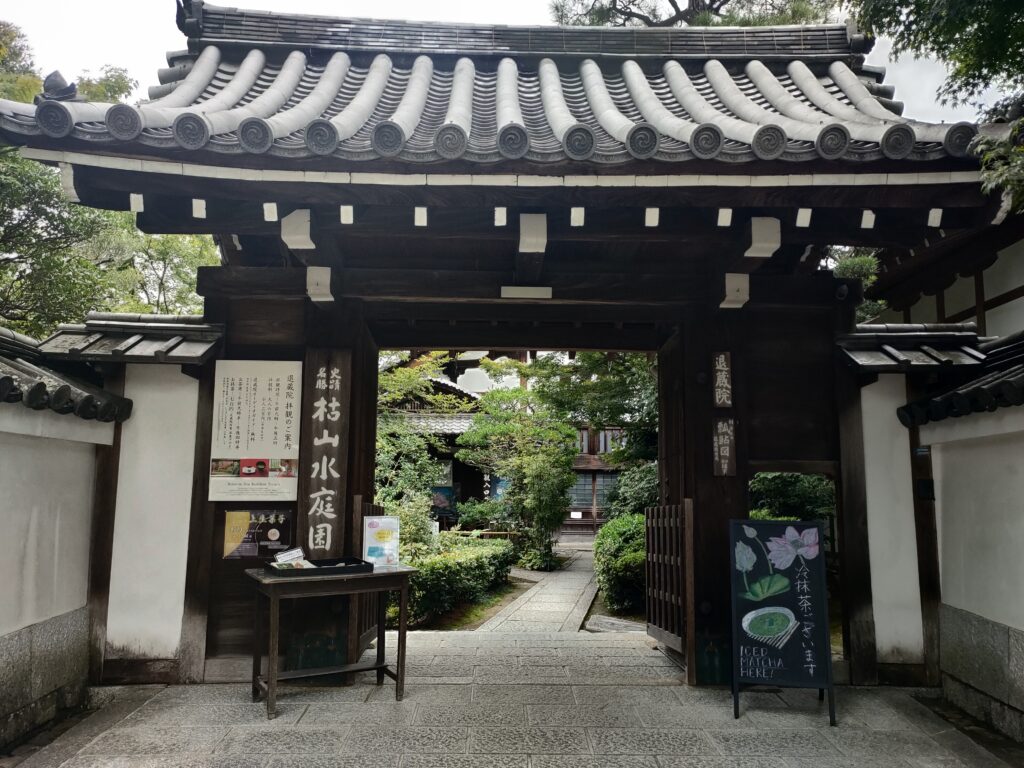
If you want to experience the true diversity of Japanese gardens, Taizo-in is the place to go.
As one of the most prestigious sub-temples in Myoshinji, it houses the National Treasure Hyo-nen-zu (Catching a Catfish with a Gourd). This famous ink painting represents a Zen riddle: “How do you catch a slippery catfish with a smooth gourd?”
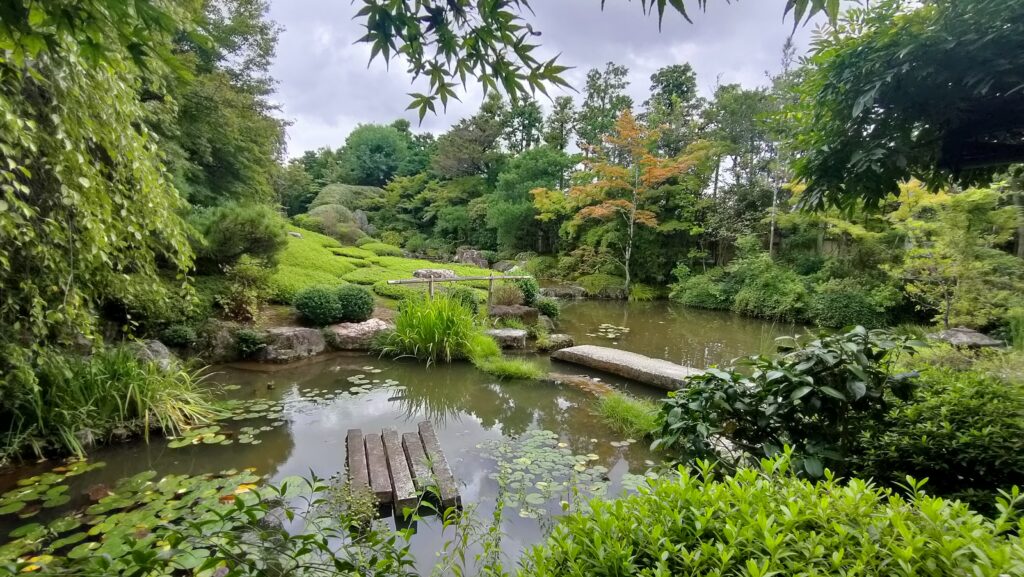
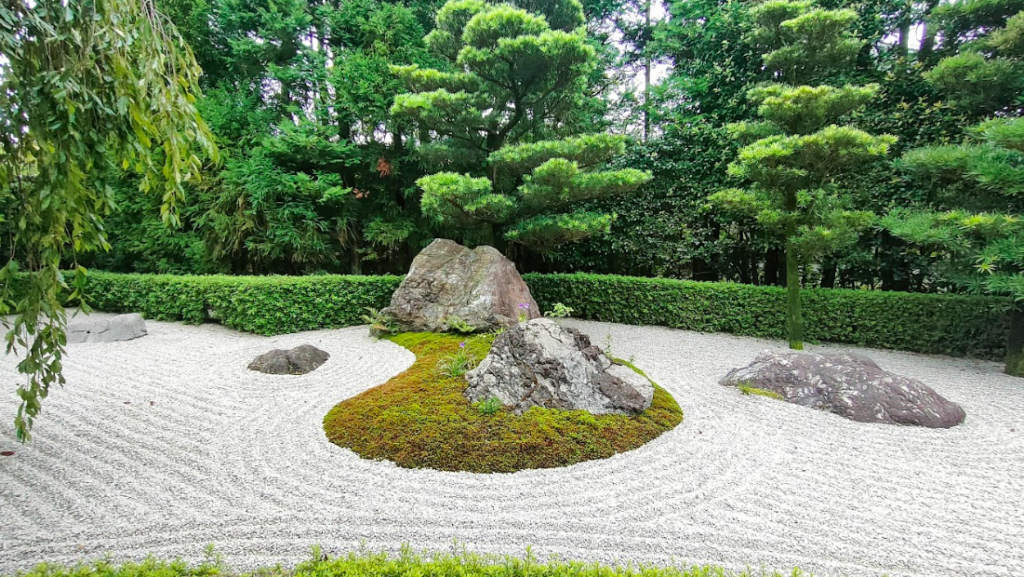
The gardens here are equally fascinating. You can walk through the Yin-Yang Garden, featuring a striking contrast of black and white sand, the Motonobu Garden, a dry landscape that looks like a painting come to life, and Yoko-en, a lush pond-strolling garden that showcases the beauty of all four seasons.
<様々な庭園を楽しめる古刹「退蔵院」へ>
お庭の美しさを存分に味わいたいなら、妙心寺屈指の古刹、退蔵院がおすすめです。
ここには見どころが凝縮されています。まずは、日本最古の水墨画と言われる国宝「瓢鮎図(ひょうねんず)」(模本)。「つるつるの瓢箪で、ぬるぬるのナマズをどう捕まえるか?」という禅の公案を描いたユニークな絵画です。
お庭も多彩で、白と黒の砂のコントラストがモダンな「陰陽の庭」や、絵画のような枯山水「元信の庭」、そして四季折々の色彩が楽しめる池泉回遊式庭園「余香苑(よこうえん)」と、まさに庭園の宝庫。歩くたびに表情を変える景色に、心が洗われます。
Moss and Serenity: Keishun-in
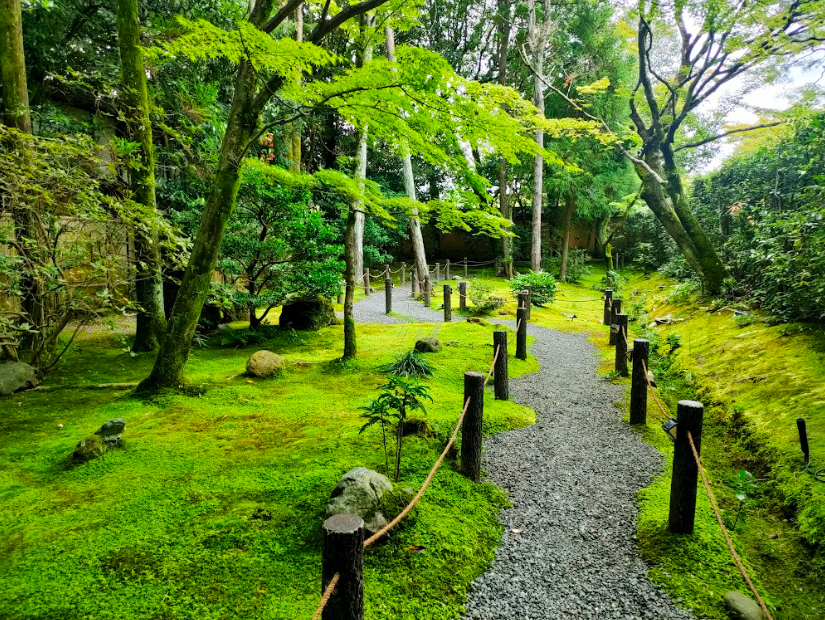
For those seeking a quieter corner to enjoy the beauty of moss, we highly recommend Keishun-in.
Founded in 1598, this temple offers a peaceful escape from the crowds. The most stunning feature here is the contrast between the interior’s deep red floors and the vibrant green of the mossy garden outside.
Sitting on the veranda and gazing at the greenery is the perfect way to deepen the inner stillness you cultivated during your Zazen session.
<苔と静寂に包まれる「桂春院(けいしゅんいん)」>
より静かな場所で、苔の美しさに浸りたい方には桂春院がぴったりです。
慶長3年(1598年)に創建されたこの寺院には、趣の異なる4つの庭園があります。特に印象的なのは、室内の赤い床と、雨上がりにいっそう輝くお庭の緑のコントラスト。
観光地の喧騒を離れ、ただ静かに庭を眺めていると、坐禅で得た心の静寂がより深まっていくのを感じられるはずです。
Myoshinji is a place where every step reveals a new discovery. After practicing Zazen and sharpening your senses, you may find that the colors of the leaves seem more vivid and the sound of the wind more delicate than before.
We hope you find your own favorite spot within these sacred grounds.
妙心寺は、歩けば歩くほど新しい発見がある場所です。 坐禅で「今、この瞬間」に集中したあとの散策は、普段よりも景色が鮮やかに、音や香りが繊細に感じられるかもしれません。
ぜひ、あなただけのお気に入りの風景を見つけてみてください。

コメント